
Mount Rinjani, the second-highest volcano in Indonesia, is one of the most rewarding trekking destinations in Southeast Asia. Standing at 3,726 meters above sea level, this iconic mountain offers breathtaking views, dramatic landscapes, and unforgettable adventures. However, choosing the right time to climb Mount Rinjani is essential for a safe and enjoyable trekking experience. Understanding the weather, seasons, and trail conditions can help you plan the perfect trip.
The Best Season to Climb Mount Rinjani
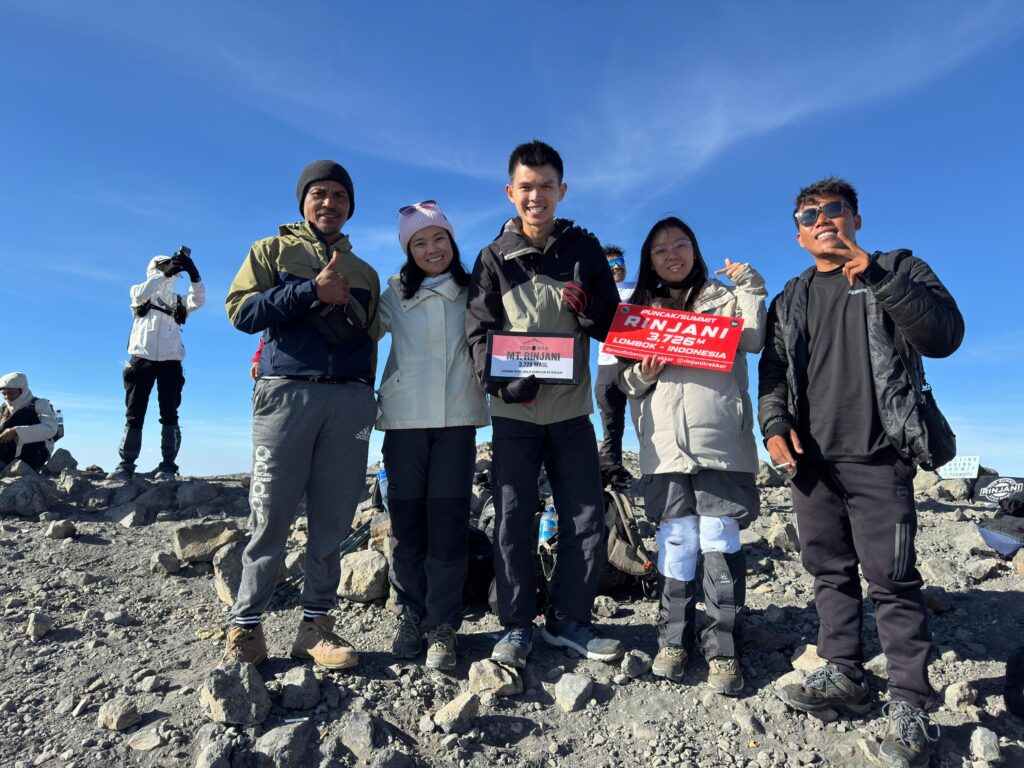
The ideal time to climb Mount Rinjani is during the dry season, which typically runs from April to November. During these months, the weather is generally stable, with clear skies, lower rainfall, and better visibility. Trekkers can enjoy stunning sunrise views from the summit, spectacular panoramas of Segara Anak Lake, and safer trail conditions.
The peak trekking season usually falls between June and August, when thousands of hikers visit Rinjani from around the world. While the weather is excellent during this period, trails can be busier, and campsites may become crowded. Booking your trek in advance is highly recommended if you plan to visit during these months.
For those seeking a quieter experience, April, May, September, and October are often considered the best months. The weather remains favorable, but the trails are generally less crowded, allowing for a more peaceful adventure.
Why the Rainy Season Is Not Recommended
Mount Rinjani National Park is usually closed from January to March due to heavy rainfall and dangerous trail conditions. During the rainy season, trekking routes can become muddy, slippery, and prone to landslides. Reduced visibility also limits the stunning views that make Rinjani famous.
Strong winds, sudden storms, and unpredictable weather can create additional safety risks, especially near the summit and crater rim. For these reasons, trekking during the rainy season is generally discouraged.
The official closure period may vary slightly each year depending on weather conditions and conservation efforts, so always check the latest park regulations before planning your trip.
Trail Conditions Throughout the Year
Trail conditions on Mount Rinjani change significantly depending on the season.
During the dry season, the trails are usually dry and easier to navigate. However, some sections, particularly near the summit, consist of loose volcanic sand and gravel that can be physically demanding. Proper hiking boots and trekking poles can make the ascent more comfortable.
In the rainy season, trails become much more challenging. Muddy paths, slippery rocks, and increased erosion can slow progress and increase the risk of accidents. Water crossings may also become more difficult after heavy rainfall.
Regardless of the season, temperatures can drop significantly at higher elevations. Summit temperatures often range between 5°C and 10°C, especially before sunrise. Warm clothing is essential even when trekking during the warmer months.
Final Thoughts
The best time to climb Mount Rinjani is between April and November, when dry weather provides safer trails and spectacular views. For the perfect balance of good conditions and fewer crowds, consider trekking in April, May, September, or October. By choosing the right season and preparing properly, you can fully experience the beauty of Mount Rinjani and create memories that will last a lifetime.
Whether you’re aiming for the summit, exploring Segara Anak Lake, or enjoying the stunning crater rim, timing your adventure wisely is the key to an unforgettable Rinjani trekking experience.