
Mount Rinjani is more than just Indonesia’s second-highest volcano. Rising 3,726 meters above sea level, it is one of the most iconic trekking destinations in Southeast Asia, attracting thousands of adventurers every year. Beyond its breathtaking summit views, crater lake, and diverse ecosystems, Mount Rinjani is also a vital natural treasure that requires careful protection. This is where sustainable trekking and eco-tourism play an essential role.
Why Sustainability Matters on Mount Rinjani
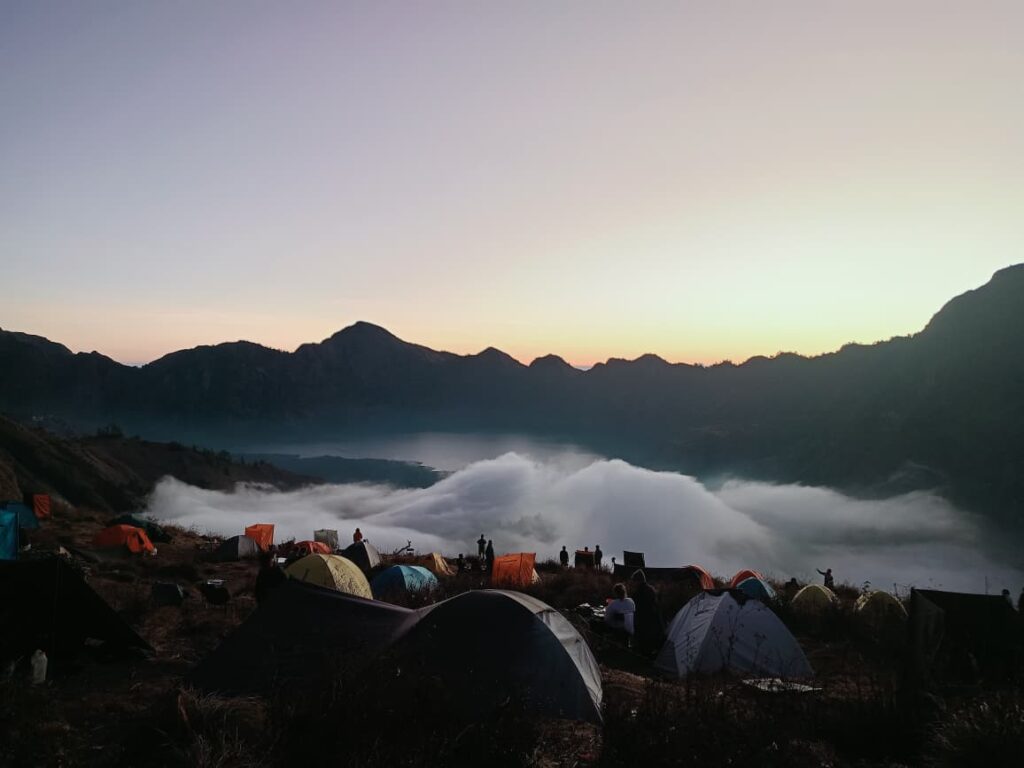
As the number of visitors continues to grow, so does the impact on the environment. Improper waste disposal, trail erosion, and damage to local ecosystems can threaten the beauty and biodiversity of the mountain. Mount Rinjani National Park is home to unique wildlife, native plants, and important water sources that support local communities across Lombok.
Sustainable trekking aims to minimize these negative impacts while allowing travelers to enjoy the mountain responsibly. By promoting eco-friendly practices, visitors can help preserve Rinjani’s natural environment for future generations.
The Role of Eco-Tourism in Conservation
Eco-tourism focuses on responsible travel that benefits both nature and local communities. On Mount Rinjani, eco-tourism initiatives encourage trekkers to respect the environment, reduce waste, and support conservation efforts.
Many local trekking operators have adopted environmentally friendly practices, including:
- Carrying out all waste generated during treks.
- Reducing single-use plastics.
- Organizing regular mountain clean-up programs.
- Educating visitors about responsible trekking behavior.
- Supporting conservation projects within the national park.
These efforts help maintain the mountain’s pristine landscapes while raising awareness about environmental protection.
Supporting Local Communities
Sustainable tourism is not only about protecting nature—it also creates positive economic opportunities for local people. Trekking activities provide employment for guides, porters, drivers, homestay owners, and small businesses throughout Lombok.
By choosing local trekking operators and community-based tourism services, visitors contribute directly to the livelihoods of families living around Mount Rinjani. This economic benefit encourages communities to actively participate in preserving the mountain and its surrounding ecosystems.
How Trekkers Can Make a Difference
Every visitor has a responsibility to help protect Mount Rinjani. Simple actions can make a significant impact:
- Bring reusable water bottles and food containers.
- Avoid leaving any trash on the trail.
- Stay on designated trekking routes.
- Respect wildlife and natural habitats.
- Follow instructions from local guides and park authorities.
- Choose eco-conscious trekking operators that prioritize sustainability.
Practicing the “Leave No Trace” principle ensures that the mountain remains clean and beautiful for future adventurers.
Preserving Lombok’s Natural Beauty for Future Generations
Mount Rinjani is one of Lombok’s greatest natural assets. Its forests, volcanic landscapes, and stunning Segara Anak Lake attract travelers from around the world. However, preserving these wonders requires a collective effort from tourism operators, local communities, government authorities, and visitors alike.
Sustainable trekking and eco-tourism provide a pathway toward balancing tourism growth with environmental protection. By making responsible choices, trekkers can experience the incredible beauty of Mount Rinjani while helping safeguard the mountain’s fragile ecosystems.
Every step taken responsibly on the trail contributes to the long-term preservation of Lombok’s natural heritage, ensuring that Mount Rinjani remains a world-class adventure destination for generations to come.